COVID-19 Pathology Testing for the corona virus
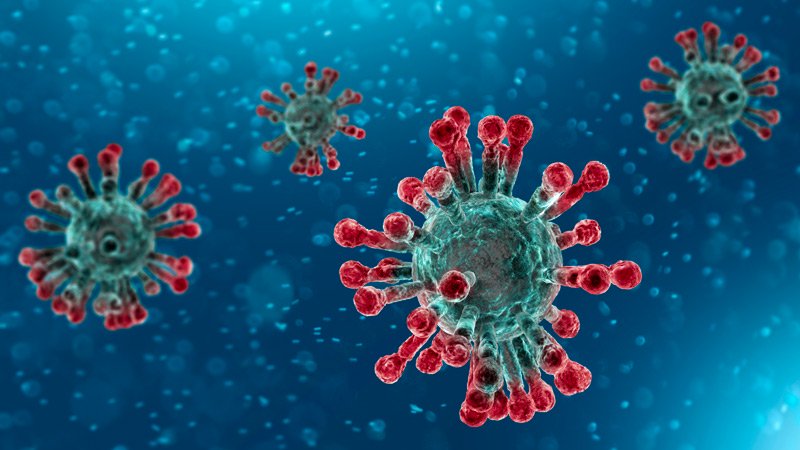 Testing for the respiratory illness coronavirus disease 2019 (COVID-19) and the associated SARS-CoV-2 virus is possible with two main methods: molecular recognition and serology testing. Molecular methods leverage polymerase chain reaction (PCR) along with nucleic acid tests, and other advanced analytical techniques, to detect the genetic material of the virus. The Center of Disease Control (CDC) in particular has developed a real-time reverse-transcription polymerase chain reaction for diagnostic purposes. Serology testing, leverages ELISA antibody test kits to detect the presence of antibodies produced by the host immune system against the virus. The CDC runs two ELISA tests against two different proteins produced by the virus. If either test is positive, a microneutralization assay test is performed to confirm the positive result. The microneutralization assay is highly specific, but significantly more labor and time intensive. Since antibodies continue to circulate even after the infection is cleared, serology tests continue to be positive for individuals who have been previously exposed and developed an immune response, which means a positive test may not indicate an active infection. As such, the CDC is using serology antibody testing for surveillance and investigational purposes only while the molecular test methodologies are used to diagnosis active infections.
Test methods:-
PCR :
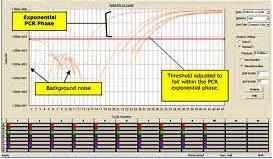 One of the early PCR tests was developed at Charité in Berlin in January 2020 using real-time reverse transcription polymerase chain reaction (rRT-PCR), and formed the basis of 250,000 kits for distribution by the World Health Organization (WHO).
The South Korean company Kogenebiotech developed a clinical grade, PCR-based SARS-CoV-2 detection kit (PowerChek Coronavirus) on 28 January 2020. It looks for the "E" gene shared by all beta coronaviruses, and the RdRp gene specific to SARS-CoV-2. Other companies in the country, such as Solgent and Seegene, also developed versions of clinical grade detection kits, named DiaPlexQ and Allplex 2019-nCoV Assay, respectively, in February 2020.
In China, BGI Group was one of the first companies to receive emergency use approval from China's National Medical Products Administration for a PCR-based SARS-CoV-2 detection kit.
In the United States, the Centers for Disease Control and Prevention is distributing the CDC 2019-Novel Coronavirus (2019-nCoV) Real-Time RT-PCR Diagnostic Panel to public health labs through the International Reagent Resource. One of three genetic tests in older versions of the test kits caused inconclusive results, and a bottleneck of testing at the CDC in Atlanta; tests using two components were determined to be reliable on 28 February 2020, allowing state and local laboratories to complete testing quickly. The test was approved by the Food and Drug Administration under an Emergency Use Authorization.
US commercial labs began testing in early March 2020. As of 5 March 2020 LabCorp announced nationwide availability of COVID-19 testing based on RT-PCR. Quest Diagnostics similarly made nationwide COVID-19 testing available as of 9 March 2020. No quantity limitations were announced; specimen collection and processing must be performed according to CDC requirements.
On 12 March 2020, Mayo Clinic was reported to have developed a test to detect COVID-19 infection.
On 13 March 2020, Roche Diagnostics received FDA approval for a test which could be performed within 3.5 hours, thus allowing one machine to do approximately 4,128 tests in a 24-hour period.
One of the early PCR tests was developed at Charité in Berlin in January 2020 using real-time reverse transcription polymerase chain reaction (rRT-PCR), and formed the basis of 250,000 kits for distribution by the World Health Organization (WHO).
The South Korean company Kogenebiotech developed a clinical grade, PCR-based SARS-CoV-2 detection kit (PowerChek Coronavirus) on 28 January 2020. It looks for the "E" gene shared by all beta coronaviruses, and the RdRp gene specific to SARS-CoV-2. Other companies in the country, such as Solgent and Seegene, also developed versions of clinical grade detection kits, named DiaPlexQ and Allplex 2019-nCoV Assay, respectively, in February 2020.
In China, BGI Group was one of the first companies to receive emergency use approval from China's National Medical Products Administration for a PCR-based SARS-CoV-2 detection kit.
In the United States, the Centers for Disease Control and Prevention is distributing the CDC 2019-Novel Coronavirus (2019-nCoV) Real-Time RT-PCR Diagnostic Panel to public health labs through the International Reagent Resource. One of three genetic tests in older versions of the test kits caused inconclusive results, and a bottleneck of testing at the CDC in Atlanta; tests using two components were determined to be reliable on 28 February 2020, allowing state and local laboratories to complete testing quickly. The test was approved by the Food and Drug Administration under an Emergency Use Authorization.
US commercial labs began testing in early March 2020. As of 5 March 2020 LabCorp announced nationwide availability of COVID-19 testing based on RT-PCR. Quest Diagnostics similarly made nationwide COVID-19 testing available as of 9 March 2020. No quantity limitations were announced; specimen collection and processing must be performed according to CDC requirements.
On 12 March 2020, Mayo Clinic was reported to have developed a test to detect COVID-19 infection.
On 13 March 2020, Roche Diagnostics received FDA approval for a test which could be performed within 3.5 hours, thus allowing one machine to do approximately 4,128 tests in a 24-hour period.
Immunoassay :
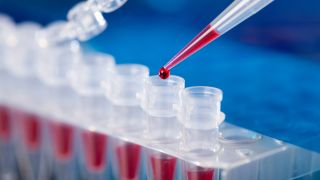 As of 26 February 2020, there were no antibody tests or point-of-care tests though efforts to develop them are ongoing.
On 28 February 2020, a South Korean company called PCL filed a request to Ministry of Food and Drug Safety of South Korea for their antibody-based detection kit, COVID-19 Ag GICA Rapid. Unlike an RT-PCR-based detection kit, PCL claims that their antibody-based kit could make a diagnosis within 10 min.
On 8 March 2020, Taiwan's Academia Sinica announced a monoclonal antibody specifically binding nucleocapsid protein (N protein) of the novel coronavirus had been successfully generated and tested in 19 days. If a rapid immune-based test kit can be developed it may be able to detect the disease within 15 to 20 minutes just like a rapid influenza test.
BioMedomics of North Carolina, USA claims to have developed a rapid antibody test that will return results in 15 minutes. It detects both IgM and IgG antibodies using blood drawn from veins or collected from finger pricks. Half a million tests have been used in China and BioMedomics is currently waiting on FDA approval.
As of 26 February 2020, there were no antibody tests or point-of-care tests though efforts to develop them are ongoing.
On 28 February 2020, a South Korean company called PCL filed a request to Ministry of Food and Drug Safety of South Korea for their antibody-based detection kit, COVID-19 Ag GICA Rapid. Unlike an RT-PCR-based detection kit, PCL claims that their antibody-based kit could make a diagnosis within 10 min.
On 8 March 2020, Taiwan's Academia Sinica announced a monoclonal antibody specifically binding nucleocapsid protein (N protein) of the novel coronavirus had been successfully generated and tested in 19 days. If a rapid immune-based test kit can be developed it may be able to detect the disease within 15 to 20 minutes just like a rapid influenza test.
BioMedomics of North Carolina, USA claims to have developed a rapid antibody test that will return results in 15 minutes. It detects both IgM and IgG antibodies using blood drawn from veins or collected from finger pricks. Half a million tests have been used in China and BioMedomics is currently waiting on FDA approval.
Sample collection :
Using real time reverse transcription polymerase chain reaction (rRT-PCR) the test can be done on respiratory samples obtained by various methods, including nasopharyngeal swab or sputum sample. Results are generally available within a few hours to 2 days. In drive-through testing for COVID-19 for suspected cases, a healthcare professional takes sample using appropriate precautions.Go Back to Pathosoftware